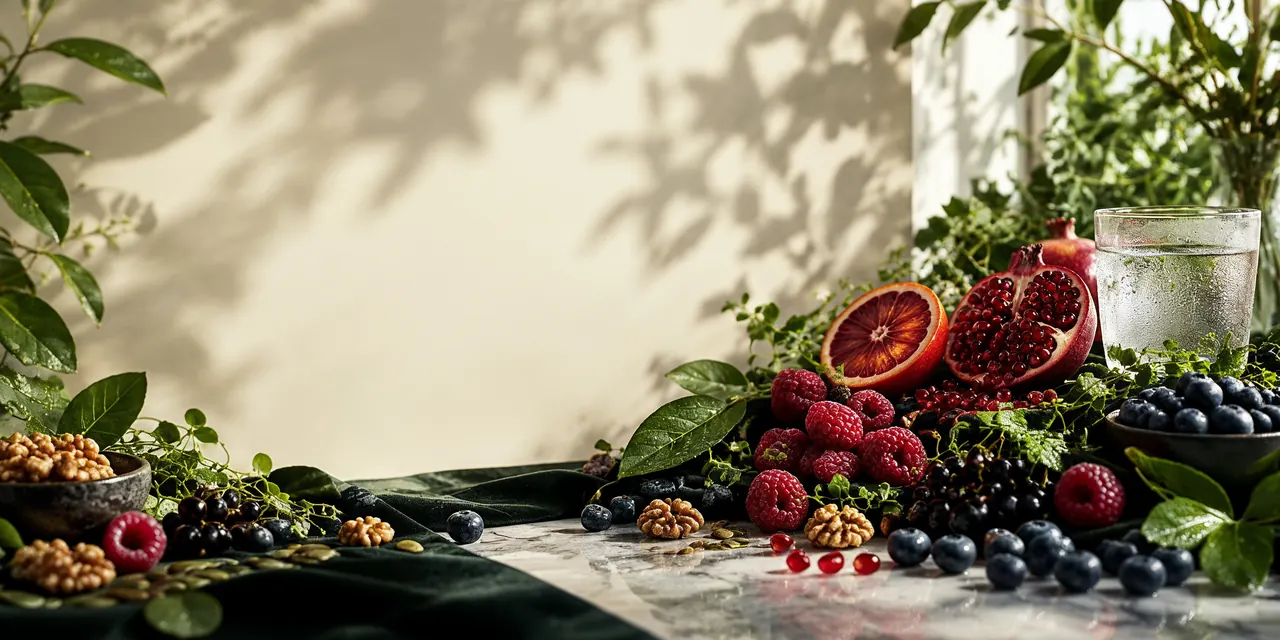
Skin and hair, from the plate up
Beauty begins
with how you nourish.
Skin and hair are built from what you eat, and they are also shaped by sleep, sun, genes and the years. This site covers the part the plate controls: the nutrients with a recognised role in normal skin and hair, the plant foods that carry them, the amounts the reference bodies set, and the research quoted both ways. No miracle foods, no flawless promises, and nothing for sale.

 Plant-based since childhood
The philosophy
Glow is a habit, not a product
Four things decide most of how skin and hair look over a year. Food is one of them, and the only one this site can put on a plate for you. The other three are listed because leaving them out would be dishonest.
Feed it
Enough protein, vitamin C, vitamin A, zinc, iron, the essential fats and B12. A varied plant-based plate covers all but one of them; B12 comes fortified or as a supplement, every week, without exception.
Protect it
Ultraviolet light is the largest external cause of visible skin ageing in every study that has looked. Daily sun protection does more for the face over a decade than any food on this site.

Rest it
Poor sleepers showed more signs of skin ageing and slower recovery of the skin barrier in a 60-woman study. Seven hours is a beauty routine that costs nothing.
Care for it
A short routine you actually keep: a gentle cleanser, a moisturiser, sunscreen. Three steps, twice a day, beats twelve steps on a Sunday. Anything that hurts or will not settle belongs with a dermatologist.
The four pillars
Where to begin, by what is bothering you
 Skin nutrition
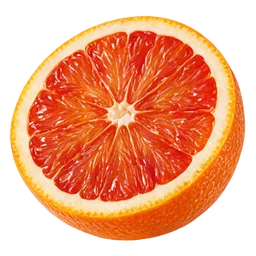
What skin needs from the plate
Vitamin C, vitamin A, zinc, the fats and the protein: the nutrients with a recognised role in normal skin function, where they are on a plant-based plate, and the amounts the reference bodies set.
 Hair health
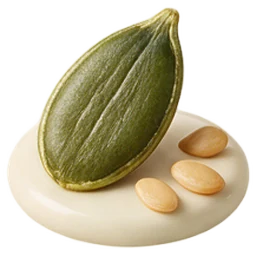
Why hair changes when the diet changes
Iron stores, zinc, B12, vitamin D and enough food. The shortfalls that show up in the brush, the blood test that finds them, and the honest limit of what food can do.
The ledger
Eight nutrients, what each does and where it is
The "does" column uses the wording the European Food Safety Authority allows on a label, because that is the wording the evidence supports. Supporting normal skin function is not the same as improving the look of skin that is already well fed. Amounts are EFSA reference values for adult women.
red pepper, blackcurrants, kiwi, citrus, broccoli, strawberries95 mg a day, EFSA PRI for women
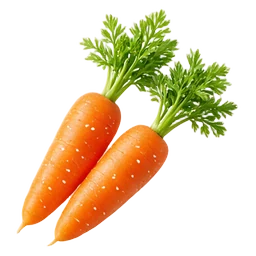
carrots, sweet potato, kale, spinach, apricots650 mcg RE a day, EFSA PRI for women
pumpkin seeds, lentils, tofu, oats, cashews7.5 to 12.7 mg a day, EFSA PRI by phytate intake
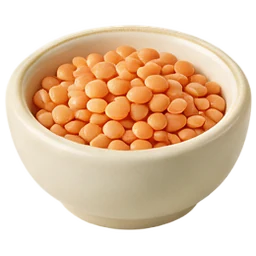
lentils, tofu, pumpkin seeds, spinach with lemon16 mg a day, EFSA PRI for women 18 to 50
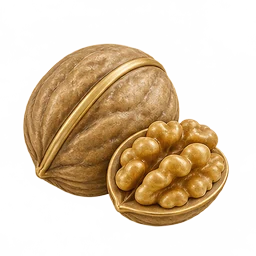
walnuts, hemp, flax, chia, rapeseed oil, algal oil for DHA4 percent of energy and 250 mg EPA plus DHA a day, EFSA AI
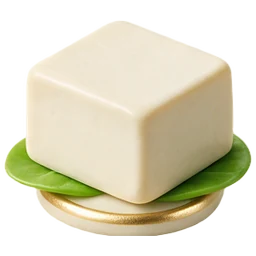
tofu, tempeh, lentils, edamame, seitan, soy milk0.83 g per kg a day, EFSA PRI

fortified yeast, fortified plant milks, a supplement4 mcg a day, EFSA AI
summer sun, fortified milks and spreads, a supplement from October to March15 mcg a day, EFSA AI
The full nutrient guides are in the skin section and the hair section, each with the research quoted with its population, dose and contrary finding.
The glow pantry
Sixteen foods the plates are built on
Color is the shortcut: the pigments that make a berry blue, a carrot orange and a leaf dark green are the carotenoids and polyphenols the skin literature keeps measuring. What each one carries per portion, from the USDA FoodData Central, and how it is used in the kitchen.
Blueberries and bilberries
Anthocyanins and about 10 mg of vitamin C per 100 g; the bilberry is the wild Nordic cousin with a darker flesh.
A handful on the morning oats
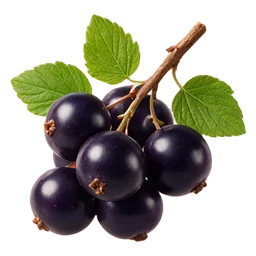
Blackcurrants
About 180 mg of vitamin C per 100 g, nearly double the EFSA daily reference for women in a small bowl. Frozen is fine.
Stirred warm into porridge, in a compote
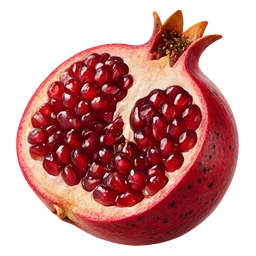
Pomegranate
Polyphenols, fiber and a little vitamin C and K in the seeds; the juice loses the fiber.
Over salads and chia pudding
Citrus
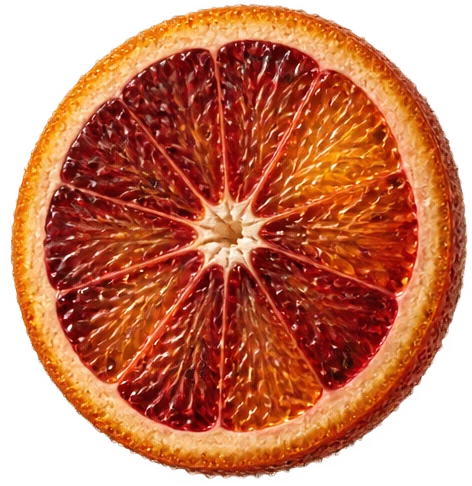
About 50 mg of vitamin C per 100 g in an orange and more in the peel-side pith; the squeeze over lentils that doubles iron absorption.
Juice over the iron plate
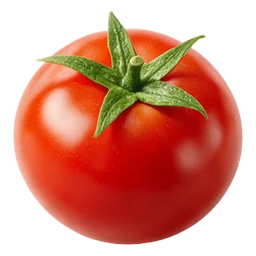
Tomatoes
Lycopene, more available once cooked with a little oil, plus vitamin C and potassium.
Roasted, in the lentil bowl
Carrots
About 8 mg of beta-carotene per 100 g, which the body converts to vitamin A as it needs it; a little fat helps.
Roasted with olive oil, grated raw
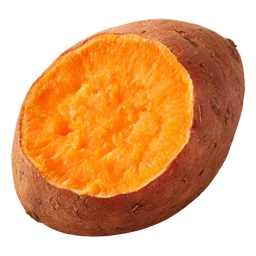
Sweet potato
Beta-carotene by the plateful, 4 g of protein per 200 g baked, and fiber that keeps breakfast quiet until lunch.
Baked, with tahini and seeds
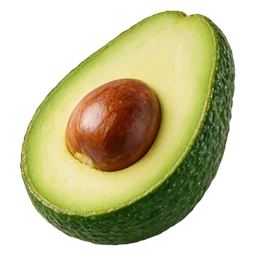
Avocado
Monounsaturated fat, vitamin E and folate; the fat on the plate that carries the carotenoids from everything beside it.
On rye, in the glow bowl
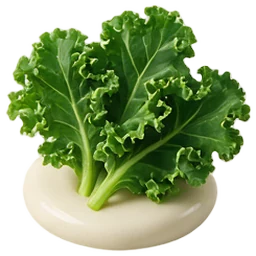
Kale and spinach
Beta-carotene, vitamin K, folate and iron; cook spinach to shrink nine tenths of its volume and eat a real portion.
Wilted into dal, massaged into salad
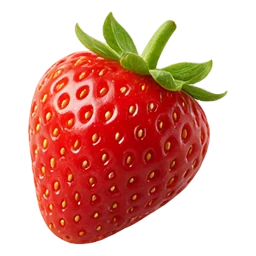
Strawberries
About 60 mg of vitamin C per 100 g, more per gram than an orange, and the berry that is in season before the others.
With soy yogurt and hemp seeds
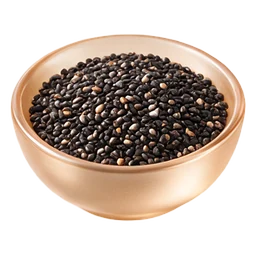
Chia and flax
About 6 g of omega-3 ALA per 30 g of ground flax and 5 g per 30 g of chia; the body converts little of it to DHA, so algal oil is the hedge.
Chia pudding, ground flax in oats
Walnuts
2.6 g of ALA and 4 g of protein per 30 g; the richest common source of linoleic acid and omega-3 together.
A handful at four
Pumpkin seeds
2.2 mg of zinc and 2.5 mg of iron per 30 g, plus 9 g of protein; the single best seed for hair nutrients on a vegan plate.
Toasted over everything
Lentils
18 g of protein and 6.6 mg of iron per 200 g cooked; the iron is non-heme, so pair with tomato or lemon.
The Sunday pot
Tofu and tempeh
Protein, iron, zinc and calcium when set with calcium sulfate; 17 g of protein per 150 g of firm tofu.
Scrambled, seared, blended
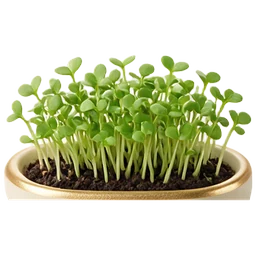
Microgreens
Broccoli and radish shoots carry several times the vitamin C and carotenoids of the mature leaf by weight.
Over the finished plate
The plates
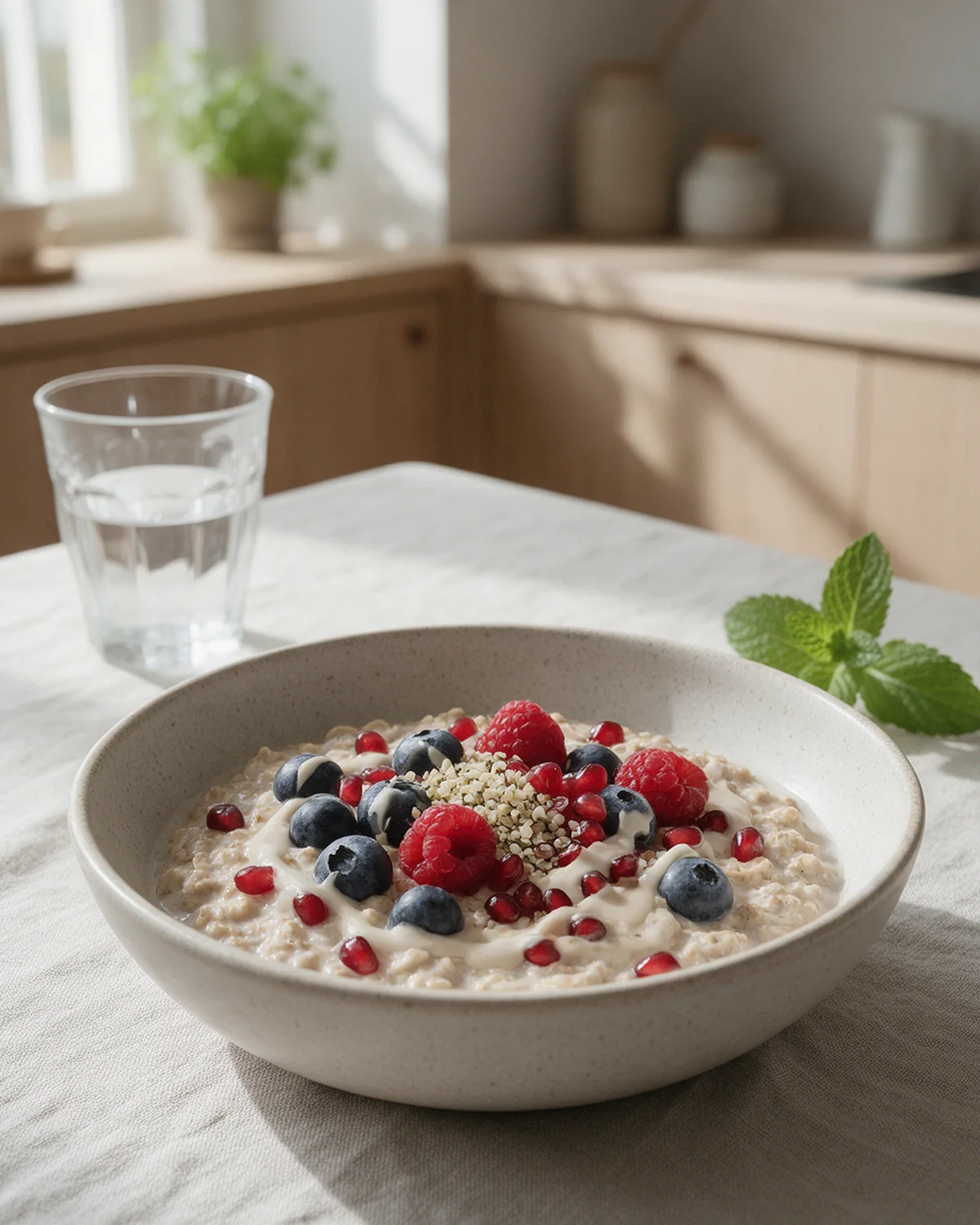
A breakfast that covers half the ledger
Oats on soy milk with blackcurrants, hemp seeds, ground flax and a spoon of pumpkin seeds: protein, vitamin C, zinc, iron, linoleic acid and ALA in one bowl, in five minutes the night before. The plates section builds a day the same way, nutrient by nutrient, with gram quantities and the number each ingredient contributes.
None of them promises a complexion. They promise that the ledger is covered, which is the part of glow that food is responsible for.
From the journal
Read the evidence, then eat
Foods for Healthy Skin: What the Plate Can Do, by Nutrient
Foods for healthy skin by nutrient: vitamin C, vitamin A, zinc, linoleic acid, omega-3 and protein on a plant-based plate, with EFSA amounts and the research.
9 min readGlow Breakfast Bowls: Five Vegan Recipes, Nutrients Counted
Five plant-based breakfast bowls for skin and hair nutrients: gram quantities, times, servings, and the vitamin C, zinc, iron, omega-3 and protein in each one.
8 min readThe rituals
Three steps you keep beat twelve you abandon
Cleanse gently, moisturise, protect from the sun. In the morning that is sixty seconds; at night, forty. The routine on this site is short on purpose, because the research on skin ageing points at sunlight, sleep and smoking long before it points at serums, and because a routine only works on the days it happens.
What the plate cannot do is take the place of a dermatologist. Acne, eczema, rosacea and pigmentation have their own causes and their own clinicians; the food here supports the skin you have, it does not prescribe for it.

Who writes this
Barbara, plant-based since childhood
She has eaten plants her whole life, trains every morning in the Scandinavian forest with a husky and a German Shepherd, and writes every page here herself. Her kitchen is a Nordic one: oats, berries picked in August and frozen for the year, lentils, rapeseed oil, a lot of cabbage. The animals are the reason the plate is plant-based. The numbers are the reason it works.
Barbara's letters: one nutrient, one plate, one habit, every Sunday
This is general information about food and training, not medical advice. If you have a diagnosed condition or take medication, talk to your doctor before changing your diet or exercise.
Evidence packs: skin-diet-v1 and hair-nutrients-v1. Published by Barbara of North.